
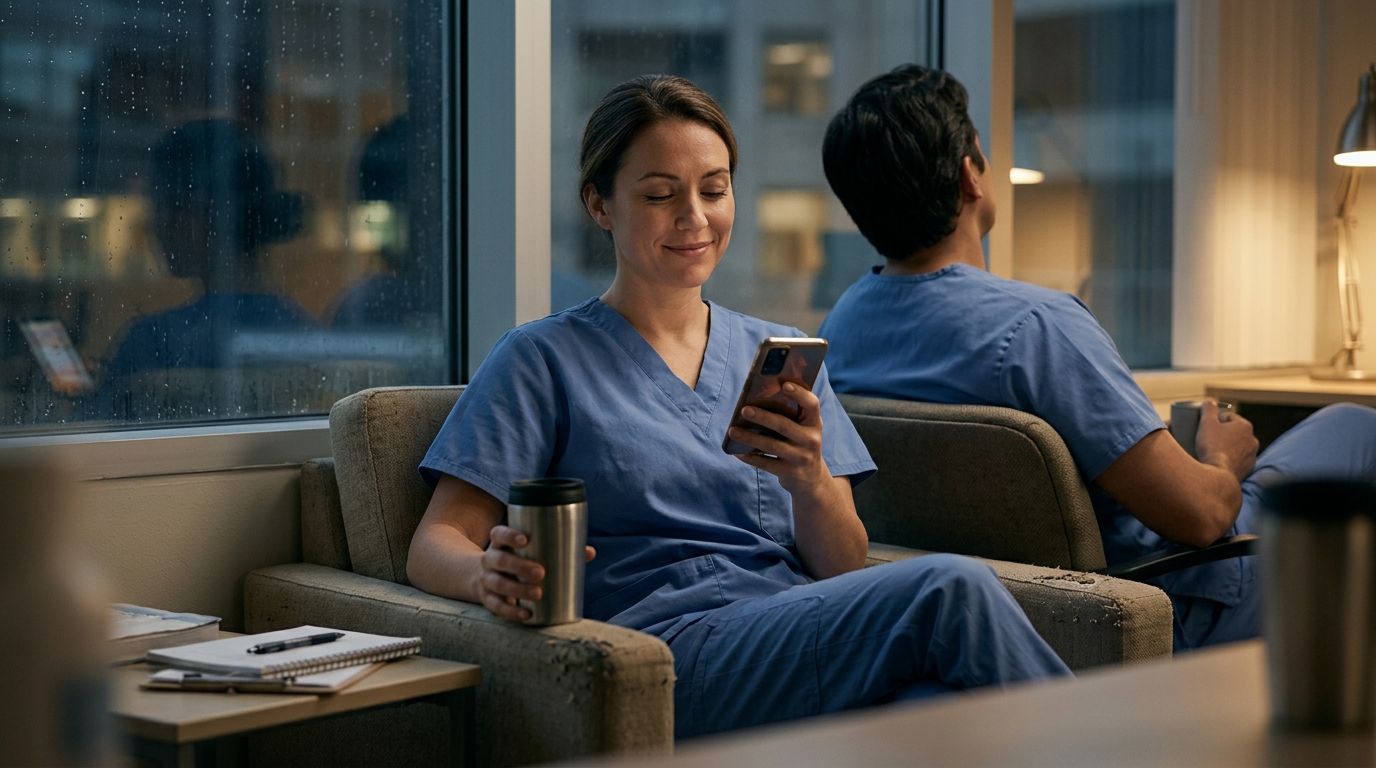
Medical residents primarily use mainstream platforms like Tinder and Bumble, alongside specialized apps like DownToDate+ designed for healthcare professionals. This guide covers the specific apps residents use, the unique scheduling challenges they face, and how to choose the right platform for your lifestyle. For additional details, review the .
Mainstream Dating Apps for Residents
High-Volume Platforms
Tinder remains the most widely used dating app in the United States, with three-in-ten U.S. adults reporting they have ever used an online dating site or app, according to Pew Research Center. For residents, this volume is a double-edged sword. It provides many options but requires significant time to filter through profiles that do not understand the medical lifestyle. For additional details, review the Frequently Asked Questions.
Relationship-Focused Apps
Mobile applications are increasingly integrated into the daily lives of healthcare workers, as noted in research on mobile application use among residents. This familiarity with app-based workflows makes the transition to dating apps seamless for many physicians in training.
Specialized Healthcare Dating Platforms
Generalist apps often fail to account for the specific pressures of medical training. Specialized platforms like DownToDate+ are designed specifically for healthcare professionals, including doctors and nurses. These platforms understand that dating should not be harder than saving lives, a core philosophy that drives their user experience design.
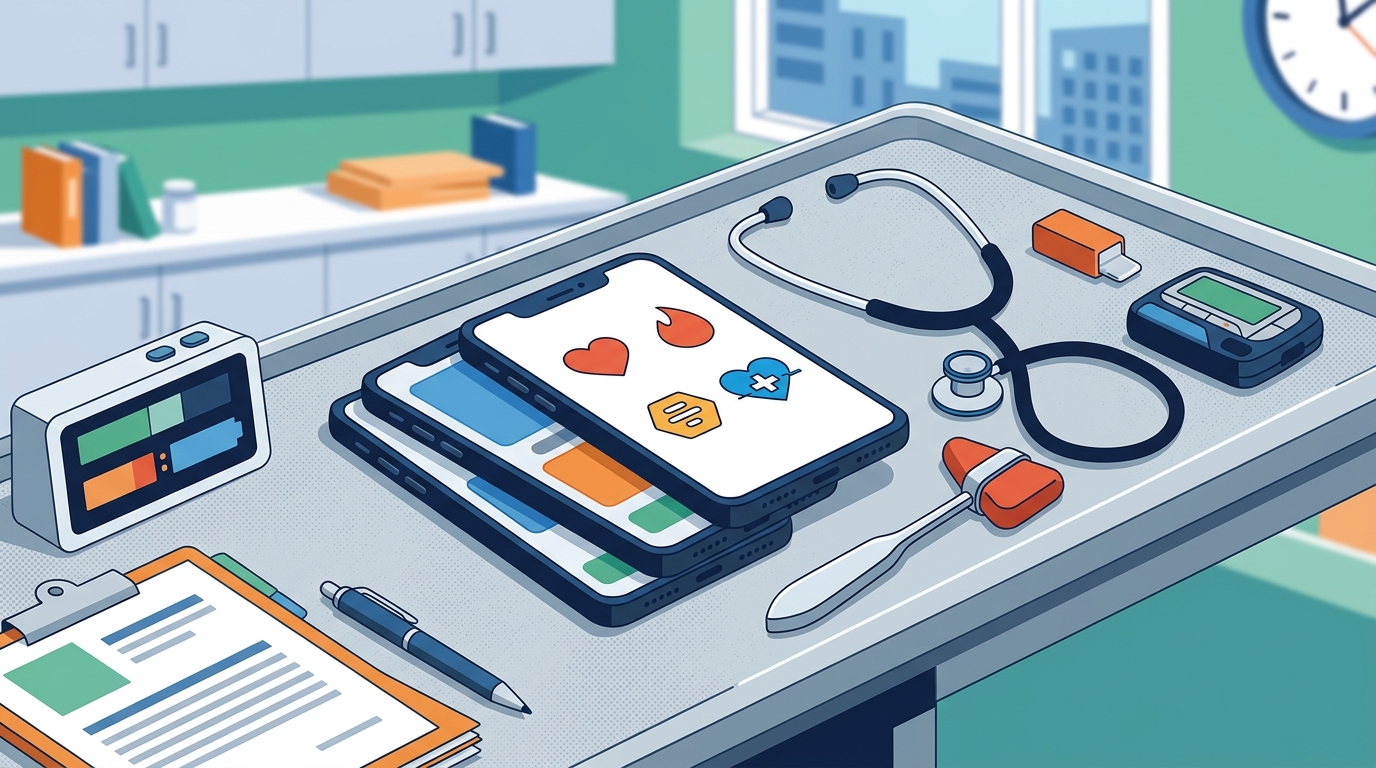
Why Specialization Matters
DownToDate+ was created by physicians who understand the unique challenges of the medical field. The platform connects verified healthcare professionals looking for real relationships. This verification process helps build trust, a critical factor when users are already dealing with high-stress environments at work.
Community and Understanding
Using a specialized app means your matches likely understand the concept of a 36-hour shift or the emotional toll of residency. This shared context reduces the need for constant explanation. It creates a community where professional identity is respected rather than viewed as an obstacle to a relationship.
Research indicates that strong personal relationships are a direct contributor to residents' well-being, as highlighted by the American Medical Association. Finding a partner who understands this dynamic is essential for long-term success and mental health.
Navigating Scheduling and Lifestyle Challenges
Residency schedules are notoriously unpredictable. Residents often work 80-hour weeks, with shifts that can last 24 to 36 hours. This makes traditional dating norms, such as expecting a response within an hour, unrealistic. Successful dating for residents requires flexibility and clear communication about availability.
Communication Expectations
It is crucial to set expectations early in the conversation. Mentioning your schedule in your profile or early messages helps filter out potential partners who are not compatible with a medical lifestyle. This transparency saves time and prevents misunderstandings that could lead to frustration for both parties.
Quality Over Quantity
Given the time constraints, residents often prioritize quality interactions over high-volume swiping. This approach aligns well with platforms that emphasize profile depth and compatibility. Focusing on a few meaningful connections is more sustainable than trying to manage dozens of superficial chats during a busy clinical rotation.
Smartphones are part of individuals' daily lifestyles, as are smartphone applications such as dating apps, according to a pilot study on dating app use and wellbeing. For residents, the app must fit into the small pockets of free time they have, making ease of use and efficiency paramount.
Verification and Safety in Medical Dating
Online dating carries inherent risks, but specialized platforms often implement stricter verification processes. For healthcare professionals, who are already in a position of trust and responsibility, safety is a top priority. Verified profiles help ensure that you are connecting with genuine individuals who share your professional background.
Profile Verification
Platforms like DownToDate+ focus on connecting verified healthcare professionals. This verification adds a layer of security and authenticity. It helps prevent catfishing and ensures that the community is composed of real people with real professional credentials. This is particularly important for residents who may be new to a city and looking for a trusted community.
Privacy Considerations
Medical professionals often value privacy due to the sensitive nature of their work. Reputable dating apps allow users to control what information they share. Residents should be cautious about sharing specific hospital names or shift schedules in public profiles, opting instead for general descriptions of their work environment.
Comparison of Popular Dating Apps
| Tinder | General Public | Highest user volume | Maximizing options in large cities |
| Bumble | General Public | Women message first | Reducing unsolicited messages |
| Hinge | General Public | Profile prompts | Showing personality and career details |
| DownToDate+ | Healthcare Professionals | Verified medical community | Connecting with peers who understand residency |
Key Takeaways
- Specialized platforms like DownToDate+ provide a verified community of healthcare professionals who understand the medical lifestyle.
- Residency schedules require flexibility; setting clear communication expectations early is crucial for success.
- Quality over quantity is a sustainable strategy for residents with limited free time.
- Strong personal relationships contribute significantly to resident well-being, making the right partner essential.
- Privacy is important; avoid sharing specific hospital details in public profiles.
- Choosing an app that aligns with your relationship goals and lifestyle is more important than the app's popularity.
Frequently Asked Questions
What is the best dating app for medical residents?
The best app depends on your location and goals. For a community that understands the medical lifestyle, DownToDate+ is an excellent choice. For maximum volume in large cities, mainstream apps like Tinder or Bumble may be more effective.
Do medical residents use Tinder?
Yes, many medical residents use Tinder due to its large user base. However, they often find that they need to filter through many profiles to find someone who understands their schedule.
Is DownToDate+ only for doctors?
No, DownToDate+ is designed for all healthcare professionals, including doctors, nurses, and other medical staff. It connects verified professionals looking for real relationships.
How do I explain my residency schedule on a dating app?
Be honest and concise. Mention that you are a resident and that your schedule can be unpredictable. This helps set expectations and filters out incompatible matches.
Are specialized dating apps safer than mainstream ones?
Specialized apps often have stricter verification processes, which can enhance safety. However, standard online dating safety practices should always be followed regardless of the platform.
Can I find a serious relationship on a dating app as a resident?
Yes, many residents find serious relationships through dating apps. Success depends on clear communication, patience, and choosing a platform that aligns with your goals.
What are the benefits of using a healthcare-specific dating app?
The main benefit is shared understanding. Matches on these platforms are likely to understand the stresses of medical training, reducing the need for constant explanation.
How much time should I spend on dating apps as a resident?
Limit your time to what is sustainable for you. Quality interactions are more important than quantity. Set specific times to check the app to avoid it interfering with your rest or study time.