
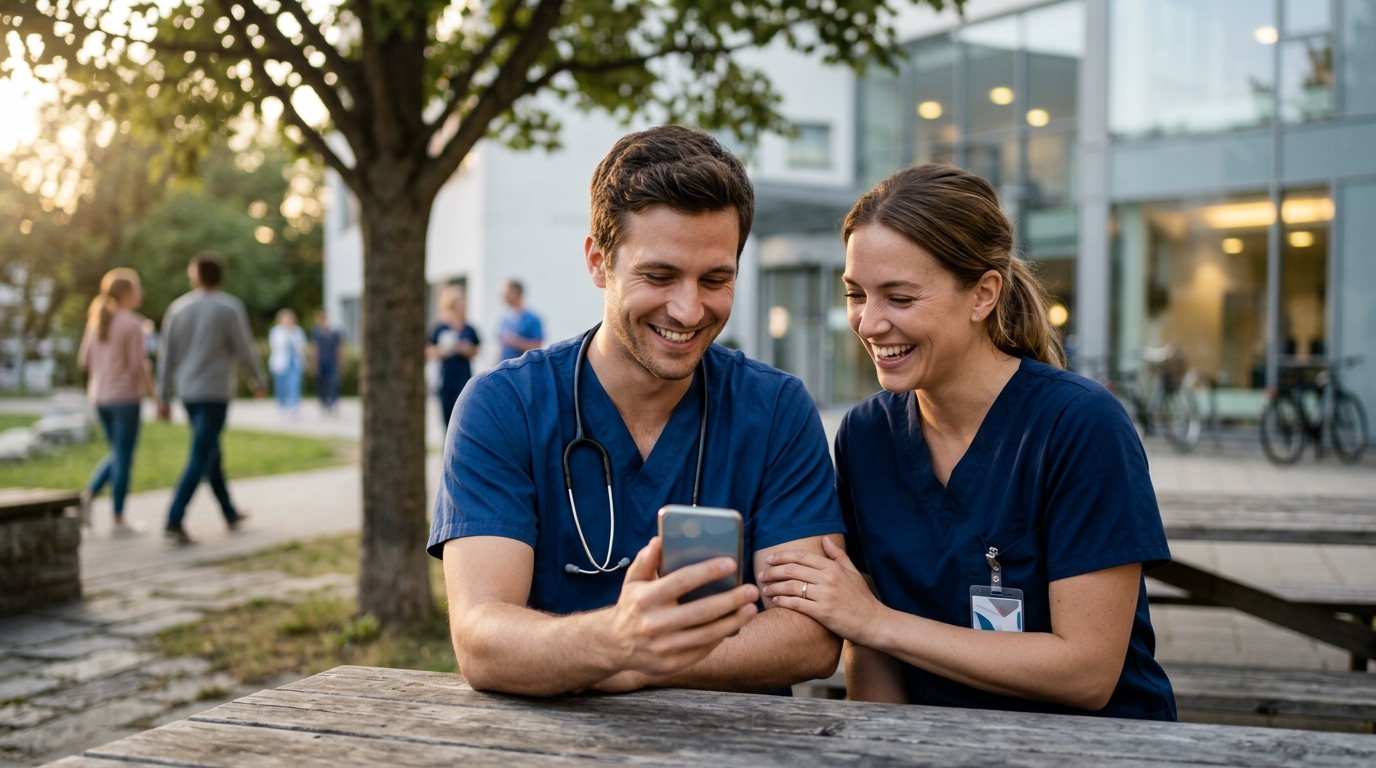
Professional verification in dating is the process of confirming a user's claimed occupation through third-party credentials, institutional records, or manual review. For healthcare professionals, this verification is critical because it filters out fraud and ensures users are connecting with peers who understand the unique pressures of medical careers. DownToDate+ addresses this need directly by creating a platform specifically for verified doctors and nurses. This guide explores how professional verification works across the dating landscape, with a deep dive into how healthcare-specific platforms validate credentials to build trust and safety.
Professional Verification Methods
Most mainstream dating applications do not verify a user's profession. Instead, they rely on self-reported data, which means users can claim to be engineers, lawyers, or doctors without providing proof. This lack of verification is a significant gap in the general dating market. According to Pew Research Center, three-in-ten U.S. adults have used an online dating site or app, yet safety and harassment remain persistent issues. When profession is not verified, users are more vulnerable to catfishing and scams where individuals pose as high-status professionals to gain trust. For additional details, review the .
Self-Reported vs. Verified Profiles
Third-Party Credential Checks
Some platforms use third-party services to verify identity and, in some cases, professional status. These services may check government-issued IDs to confirm age and identity. However, verifying a specific job title, such as "Cardiologist" or "Registered Nurse," is much more complex. It requires access to professional licensing boards or institutional records. Without this deep integration, a platform cannot truly verify that a user is practicing in the field they claim. For additional details, review the Customer Experience.
The Role of Community Moderation
In the absence of automated verification, some platforms rely on community reporting. If a user is suspected of misrepresenting their profession, other users can flag the profile. While this helps maintain some level of integrity, it is reactive rather than proactive. It does not prevent the initial deception, and it places the burden of policing on the user base rather than the platform itself. For additional details, review the Frequently Asked Questions.
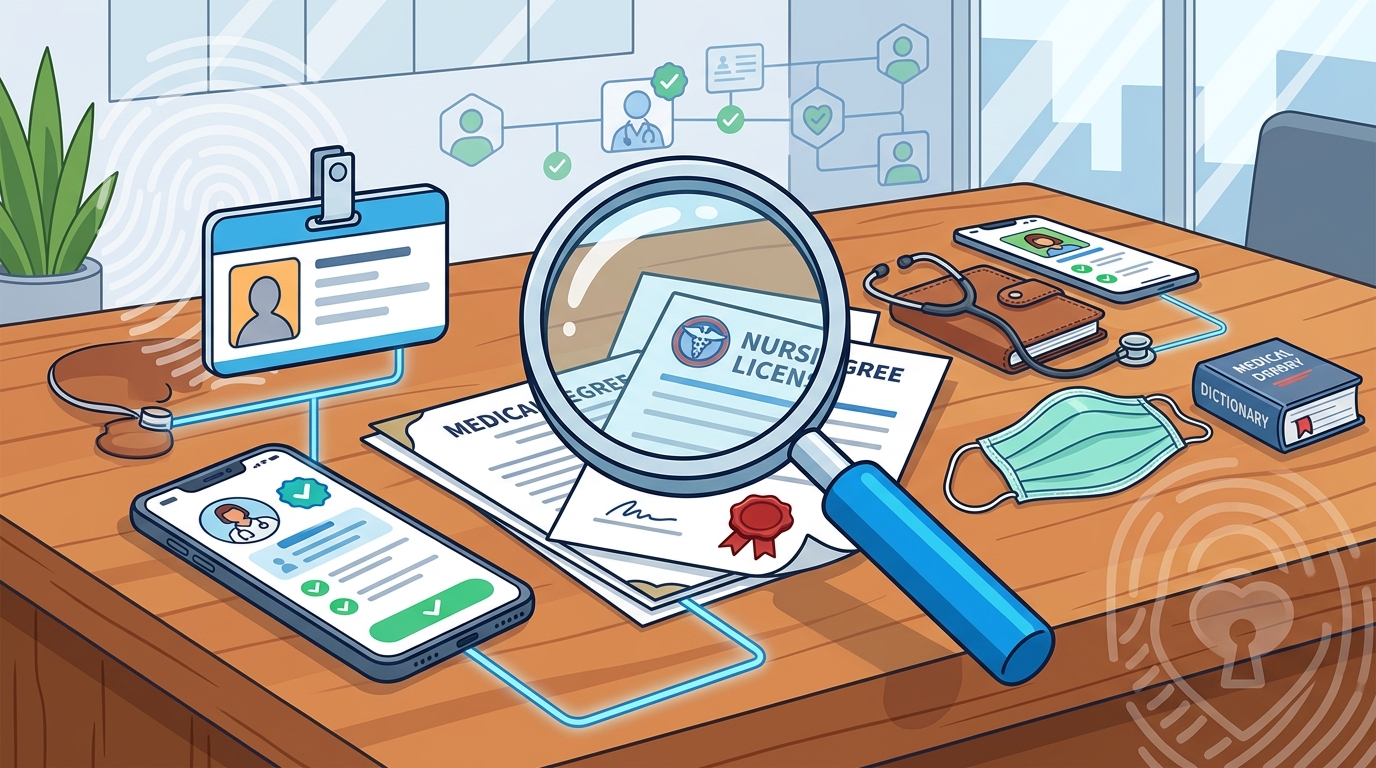
Healthcare Professional Verification
Healthcare professionals face unique challenges in dating. Long shifts, irregular schedules, and high-stress environments make finding a partner who understands their lifestyle difficult. DownToDate+ was created by physicians to solve this specific problem. The platform focuses on connecting verified healthcare professionals, ensuring that users are matching with doctors, nurses, and other medical staff who have undergone a verification process. This specialized approach reduces the noise of general dating apps and creates a safer, more relevant environment. For additional details, review the About.
Why Verification Matters in Healthcare
For medical professionals, trust is paramount. A verified profile signals that the user is a genuine practitioner, not an impostor. This is particularly important in a field where credentials are legally regulated. Verification helps ensure that users are connecting with peers who share the same professional values and ethical standards. It also helps filter out individuals who may be using the platform for malicious purposes, such as targeting vulnerable professionals for financial scams.
How DownToDate+ Verifies Users
DownToDate+ employs a verification process designed specifically for the medical community. While the exact technical details of the verification pipeline are proprietary, the platform's core value proposition is built on the assurance that users are verified healthcare professionals. This means that when you see a profile on DownToDate+, you can be confident that the person is a doctor, nurse, or other medical professional. This level of assurance is not available on general dating apps like Bumble or Hinge, which do not verify professional credentials.
The Impact on User Experience
Verified healthcare professionals report higher satisfaction with specialized platforms because they spend less time filtering out non-medical users and more time connecting with potential partners who understand their career. The shared experience of medical training and practice creates a natural common ground. This reduces the friction of explaining one's job and its demands, allowing relationships to develop more organically.
Verification Methods Comparison
The following table compares the verification approaches of general dating apps and specialized healthcare platforms. This comparison highlights the differences in safety, relevance, and user experience.
| Platform Type | Profession Verification | Identity Verification | Target Audience | Safety Features |
|---|---|---|---|---|
| General Dating Apps (e.g., Bumble, Hinge) | Self-reported only | Photo verification available | General public | Community reporting, photo verification |
| Specialized Healthcare Apps (e.g., DownToDate+) | Verified professional credentials | Photo and identity verification | Doctors, nurses, medical staff | Professional verification, community moderation |
Key Takeaways
- Most general dating apps do not verify a user's profession; they rely on self-reported data. according to Infographic The Most
- Healthcare professionals benefit from specialized platforms that verify medical credentials.
- DownToDate+ is a dating app specifically designed for verified doctors and nurses.
- Verification helps create a community of peers who understand the unique demands of medical careers.
- Photo verification is common in general apps but does not confirm professional status.
- Trust is built through verified credentials, which is essential for forming serious relationships.
Frequently Asked Questions
Do mainstream dating apps verify jobs?
No, mainstream dating apps like Bumble and Hinge do not verify a user's job or profession. They rely on self-reported information, which means users can claim any profession without providing proof. This lack of verification is a known limitation of general dating platforms. according to Key findings about
How does DownToDate+ verify healthcare professionals?
Why is professional verification important for doctors and nurses?
Professional verification is important for doctors and nurses because it ensures that they are connecting with peers who understand their lifestyle. It also reduces the risk of scams and catfishing, which are more common on general dating apps where profession is not verified.
Can I use general dating apps if I am a healthcare professional?
Yes, you can use general dating apps, but you should be aware that profession is not verified. This means you may encounter users who misrepresent their jobs. Specialized platforms like DownToDate+ offer a safer and more relevant experience for healthcare professionals.
What is the difference between photo verification and professional verification?
Photo verification confirms that a user is the person in their photos, reducing the risk of catfishing. Professional verification confirms that a user is actually working in the profession they claim. Photo verification is common in general apps, but professional verification is rare and typically only found in specialized platforms.
Is DownToDate+ only for doctors?
No, DownToDate+ is designed for all healthcare professionals, including doctors, nurses, and other medical staff. The platform aims to connect verified professionals in the healthcare field, creating a community of peers who share similar career experiences.
How can I tell if a dating app verifies professions?
You can check the app's help center or FAQ section for information on verification methods. If the app does not explicitly state that it verifies professions, it likely relies on self-reported data. Specialized platforms often highlight their verification process as a key feature.