

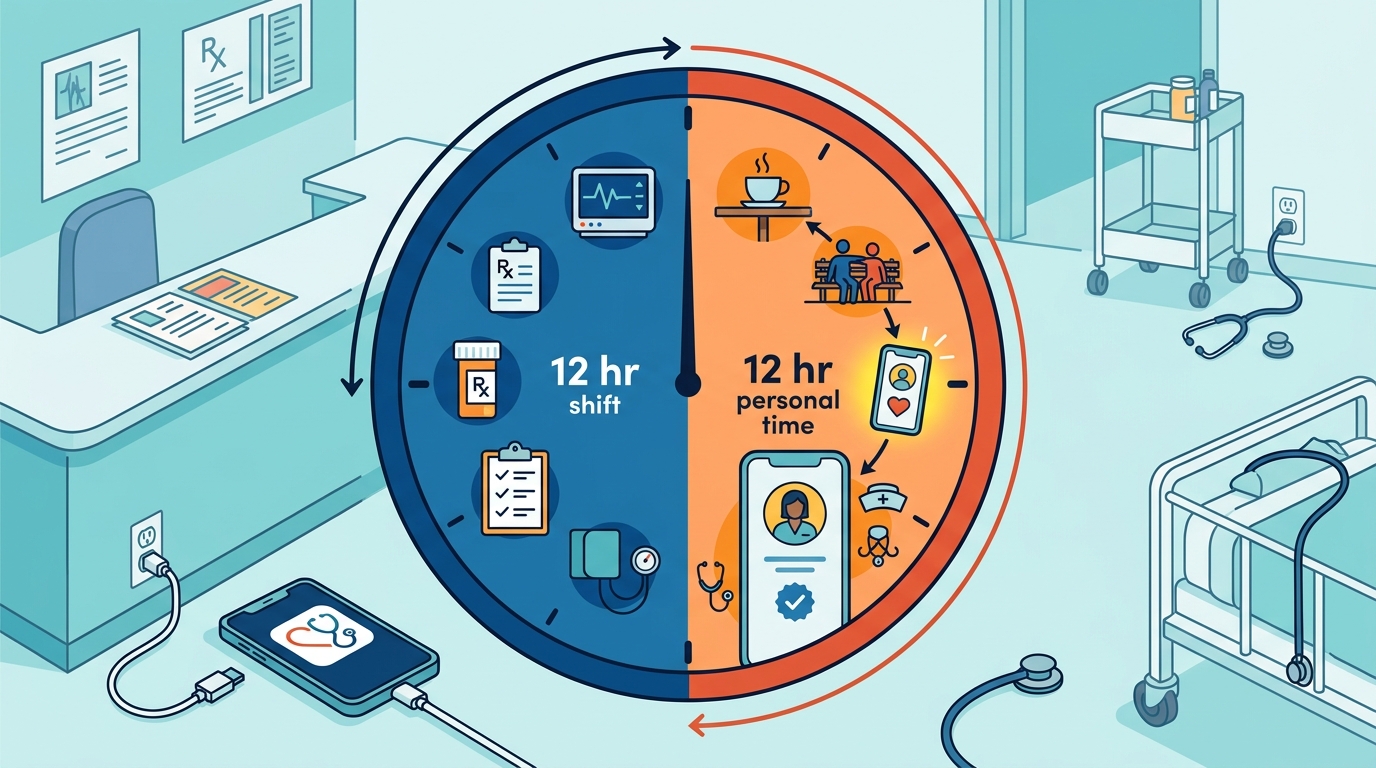
Meeting people while working 12-hour shifts is challenging because your free time is fragmented and your energy is low. DownToDate+ addresses this by connecting verified healthcare professionals who understand the unique demands of medical schedules. This guide covers practical strategies for scheduling, social activities, workplace connections, and communication tailored for busy clinicians. For additional details, review the .
Shift Worker Scheduling
Shift work is a common occupational exposure that involves working during evening, night, or early morning hours. For healthcare professionals, this often means 12-hour shifts that disrupt standard social rhythms. The Sleep Foundation notes that shift work schedules are divided into various patterns, each affecting circadian rhythms differently. Understanding your specific schedule is the first step in finding compatible partners. For additional details, review the Customer Experience.
Understanding Your Schedule Type
Strategic Time Blocking
Effective dating requires protecting your limited free time. Block out specific windows for social interaction that align with your off-shift days. For example, if you work nights, your best social hours are mid-morning to early afternoon on your days off. Use calendar tools to mark these windows as non-negotiable. This approach ensures you are not trying to date during high-stress periods or when you are physically exhausted. For additional details, review the Frequently Asked Questions.
Aligning with Partner Availability
Compatibility is not just about personality; it is about logistics. A partner who works standard 9-to-5 hours may find it difficult to connect with someone on rotating 12-hour shifts. Prioritize individuals who have flexible work arrangements or who are also in healthcare. This alignment reduces friction and increases the likelihood of a sustainable relationship. DownToDate+ helps you find these matches by focusing on the healthcare community. For additional details, review the About.
Recurring Social Activities
Consistency is key when your schedule is unpredictable. Recurring social activities provide a reliable framework for meeting people without the pressure of one-off dates. These activities allow you to build familiarity over time, which is crucial for trust in a high-stress profession.
Healthcare-Specific Meetups
Joining groups specifically for medical professionals can be highly effective. These meetups often occur on weekends or during common off-shift times. They provide a shared context that eliminates the need to explain your work life. Look for local chapters of medical associations or wellness groups for nurses and doctors. These environments are supportive and understand the unique pressures of clinical work.
Low-Pressure Social Hobbies
Community Volunteering
Volunteering in your community can connect you with like-minded individuals. Many healthcare professionals volunteer for health education or charity events. This not only helps you meet people but also reinforces your professional identity. It is a positive way to spend your free time while expanding your social circle.
Workplace Connections
Working in a hospital or clinic means you are surrounded by potential partners. However, workplace relationships come with unique challenges and ethical considerations. It is important to navigate these connections with care and professionalism.
Knowing the Boundaries
Before pursuing a workplace connection, understand your institution's policies on relationships. Many hospitals have guidelines regarding dating colleagues, especially if there is a direct reporting line. Ensure that any relationship does not compromise patient care or professional integrity. Transparency with your department head may be required in some cases. according to 1 7 2
Building Professional Rapport
Strong professional relationships can sometimes evolve into personal ones. Focus on building genuine rapport through teamwork and mutual respect. Avoid forcing personal interactions in a professional setting. Let the connection develop naturally over time. If you feel a spark, consider moving the conversation to a neutral, off-site location to maintain professional boundaries.
Managing Office Dynamics
If a workplace relationship does not work out, it can affect your daily work environment. Have a plan for how you will handle the transition. Maintain professionalism and avoid gossip. If the relationship ends, be prepared to adjust your interactions to ensure a comfortable work environment for everyone involved.
Asynchronous Communication
Asynchronous communication is a method of exchanging information where participants do not need to be online at the same time. For shift workers, this is essential for maintaining connections without the pressure of immediate responses. It allows you to engage with potential partners during your limited free time.
Choosing the Right Platform
Setting Expectations
Be upfront about your communication style and availability. Let your partner know that you may not respond immediately due to work demands. This transparency prevents misunderstandings and builds trust. Use phrases like, "I am on shift and will reply when I am off" to set clear boundaries. This approach shows respect for both your time and theirs.
Quality Over Quantity
Focus on meaningful exchanges rather than constant chatter. A few thoughtful messages can be more impactful than dozens of brief ones. Share interesting articles, photos, or updates about your day. This keeps the connection alive without requiring constant attention. It is a sustainable way to maintain interest during busy periods.
Comparison of Communication Strategies
| Strategy | Best For | Challenges | Recommendation |
|---|---|---|---|
| Real-Time Calls | Established relationships | Requires synchronized schedules | Use sparingly during early dating |
| Text Messaging | Early dating and busy periods | Can feel impersonal | Use for daily check-ins |
| Video Calls | Long-distance or pre-meetings | High energy demand | Schedule for off-shift days |
| Shared Calendars | Logistics planning | Requires mutual commitment | Use for coordinating dates |
Key Takeaways
- Identify your specific shift pattern to find compatible partners.
- Block out protected time for social activities during your off-shift days.
- Join healthcare-specific meetups to meet people who understand your lifestyle.
- Understand workplace policies before pursuing connections with colleagues.
- Use asynchronous communication to maintain connections without pressure.
- Set clear expectations about your availability and response times.
- Prioritize quality interactions over constant communication.
- Consider using a specialized platform like DownToDate+ for verified matches.
Frequently Asked Questions
Is it possible to date while working 12-hour shifts?
Yes, it is possible, but it requires strategic planning and a partner who understands your schedule. Focus on quality time during your off-shift days and use asynchronous communication to stay connected.
How do I find people who understand my work schedule?
Look for individuals in similar professions or with flexible work arrangements. Specialized dating platforms for healthcare professionals can help you find verified matches with compatible lifestyles.
What is the best way to communicate with a partner on shift work?
Use asynchronous communication methods like text messaging. Be upfront about your availability and set clear expectations for response times. Avoid demanding immediate replies during your shifts.
Can I date someone who works standard hours?
Yes, but it may require more flexibility from both parties. You will need to coordinate around your shift changes and ensure that your partner is comfortable with your limited availability during work periods.
How do I handle workplace relationships?
Know your institution's policies and maintain professionalism. Build rapport gradually and move conversations to neutral locations. Be prepared to manage office dynamics if the relationship does not work out.
What are some good social activities for shift workers?
Choose activities with regular meeting times and low pressure, such as running clubs or book clubs. Healthcare-specific meetups are also a great option for meeting like-minded individuals.
How can I avoid burnout while dating?
Protect your rest and recovery time. Do not schedule dates during high-stress periods. Prioritize self-care and ensure that your dating life does not add to your existing workload.
Is DownToDate+ a good option for healthcare professionals?
DownToDate+ is designed specifically for healthcare professionals, offering a verified community of doctors and nurses. It can be a helpful tool for finding compatible partners who understand the demands of medical work.
Conclusion
Dating while working 12-hour shifts is challenging but manageable with the right strategies. By understanding your schedule, engaging in recurring social activities, navigating workplace connections carefully, and using asynchronous communication, you can build meaningful relationships. DownToDate+ provides a specialized platform for healthcare professionals to find verified matches who understand your unique lifestyle. Explore the DownToDate+ homepage to start your journey toward a compatible partner.