
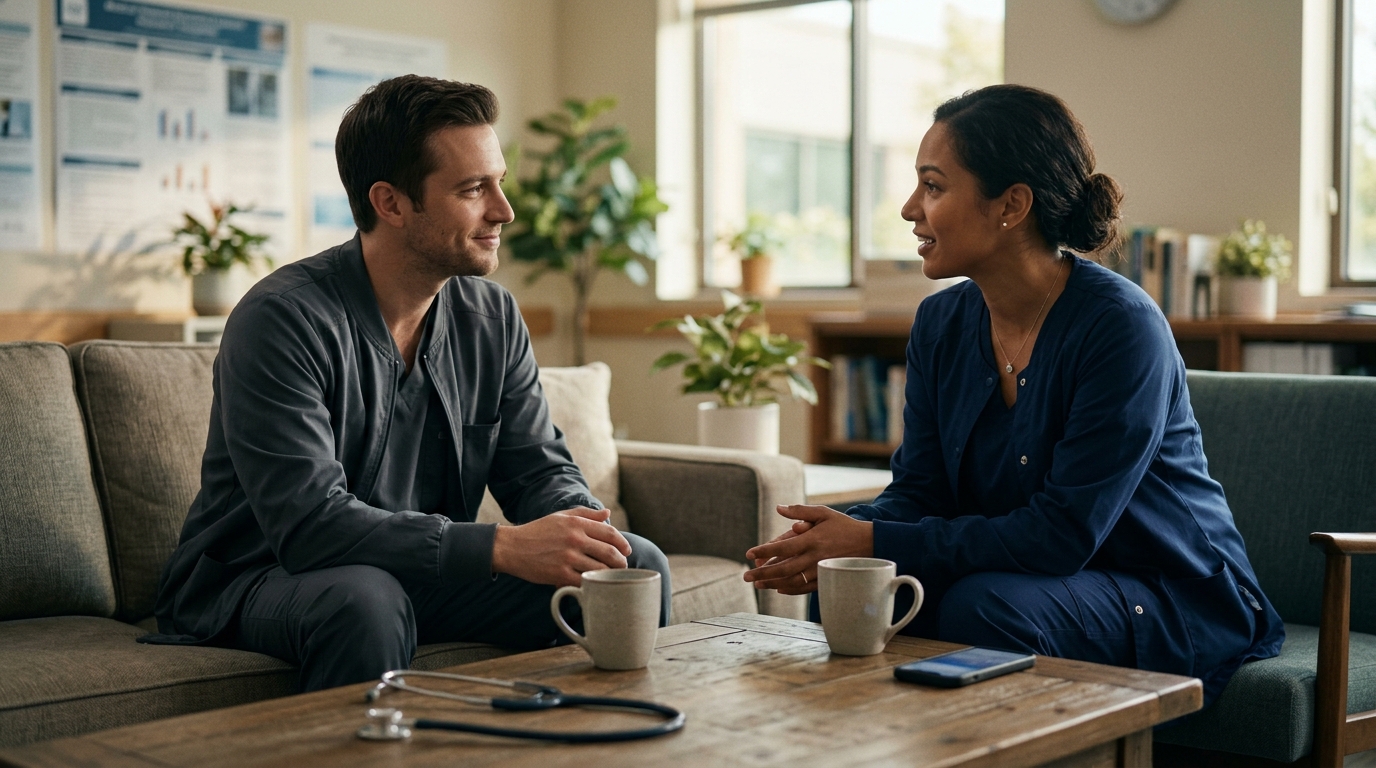
Doctors primarily meet their partners through medical workplaces, training environments, and specialized dating platforms. About 85% of physicians report enjoying a companion who shares their medical perspective. This guide explores the specific environments where medical professionals form relationships, the unique challenges of dating in healthcare, and how specialized platforms like DownToDate+ simplify the process for busy clinicians. For additional details, review the .
Medical Workplace Relationships
Medical workplace relationships are romantic connections formed between colleagues within the same hospital, clinic, or health system. These relationships are common due to the intense, high-stress environment of healthcare. Physicians and nurses often work long, irregular hours, leading to deep bonds formed during critical patient care moments. The shared understanding of the profession creates a strong foundation for trust and empathy. For additional details, review the Customer Experience.
The Dynamics of Clinical Bonding
Working in a hospital creates a unique social ecosystem. Colleagues rely on each other for survival during high-pressure shifts. This reliance fosters a sense of camaraderie that can easily transition into romantic interest. However, workplace relationships come with specific challenges. Power dynamics, such as those between attending physicians and residents, must be navigated carefully to maintain professional integrity. Many institutions have policies regarding romantic relationships between supervisors and subordinates. For additional details, review the Frequently Asked Questions.
Benefits of Dating a Colleague
Medical Training Environments
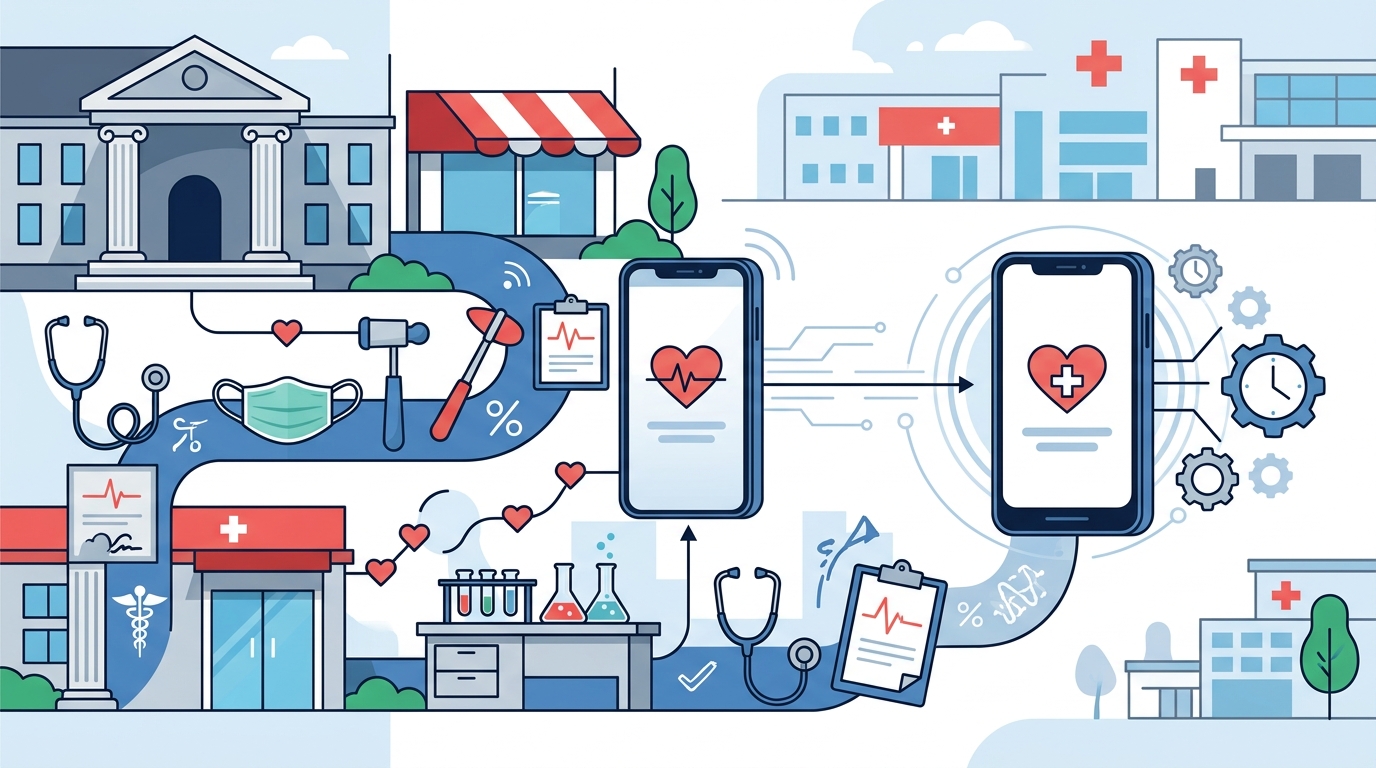
Medical training environments, including medical school and residency programs, are another primary location where doctors meet partners. These years are characterized by intense academic pressure and long hours. The cohort model of medical education means students and residents form tight-knit groups. These groups often extend beyond the classroom into social and romantic relationships. The shared struggle of training creates a powerful bond that can last a lifetime. For additional details, review the About.
Residency and Fellowship Connections
Residency is a particularly fertile ground for relationships. Residents live and breathe their specialty for three to seven years. They form close bonds with their peers, who are also navigating the same challenges. Many residents find partners within their program or at other institutions in the same city. The competitive nature of training can sometimes strain relationships, but it also fosters mutual support. Couples who meet in residency often report high levels of understanding and patience with each other's careers.
Medical School Cohorts
Medical school is a four-year journey that shapes both professional and personal identity. Students meet peers from diverse backgrounds and regions. The social aspects of medical school, including study groups and extracurricular activities, provide ample opportunities for connection. Many students find that their classmates become their closest friends and potential partners. The transition from medical school to residency often keeps these connections alive, as many students choose to train in the same city or state.
Specialized Dating Platforms
Specialized dating platforms are digital services designed specifically for healthcare professionals. These platforms recognize the unique challenges of dating in the medical field. They offer features tailored to the needs of doctors, nurses, and other clinicians. DownToDate+ is a prime example, created by physicians to simplify dating for medical staff. These platforms verify user credentials, ensuring that matches are genuine healthcare professionals. This verification process builds trust and reduces the time spent vetting potential partners.
Why General Apps Fall Short
The Role of Verification
Comparison of Dating Avenues
| Avenue | Pros | Cons | Best For |
|---|---|---|---|
| Medical Workplace | High compatibility, shared understanding | Power dynamics, workplace policies | Established professionals |
| Training Environments | Strong bonds, shared experience | High stress, limited social time | Students and residents |
| General Apps | Large user base | Lack of medical context, time-consuming | Those open to diverse backgrounds |
Key Takeaways
- Medical workplace relationships are common due to shared high-stress environments.
- Training environments like residency foster deep bonds through shared challenges.
- Specialized platforms like DownToDate+ offer verified matches for healthcare professionals.
- Verification is crucial for building trust in online dating for doctors.
- Power dynamics in workplace relationships require careful navigation.
- Shared professional values can strengthen long-term relationship stability.
- Efficiency is a key factor for busy clinicians choosing a dating platform.
Frequently Asked Questions
Where do most doctors meet their partners?
Most doctors meet their partners in medical workplaces, training environments, or through specialized dating platforms. The shared experience of medical training and practice creates strong bonds.
Is it common for doctors to date other doctors?
Yes, it is quite common. About 85% of physicians report enjoying a companion who shares their medical perspective. This shared understanding fosters strong relationships.
What are the challenges of dating in a medical workplace?
How do specialized dating platforms verify users?
Specialized platforms verify users by checking medical licenses and credentials. This ensures that matches are genuine healthcare professionals, building trust and safety.
Why are general dating apps less effective for doctors?
Can residents find partners during their training?
Yes, many residents find partners during their training. The shared experience of residency creates strong bonds, and many couples meet during this time.
What features should I look for in a dating app for doctors?
Look for verification features, filters for specific professions, and a user base of healthcare professionals. Platforms like DownToDate+ are designed with these needs in mind.