

Healthcare professionals often face unique challenges when balancing their demanding careers with personal relationships. The emotional and physical toll of patient care can significantly impact dating dynamics. DownToDate+ understands these specific pressures, creating a space where medical professionals can connect without compromising their professional commitments. For additional details, review the Dating for Doctors amp.
1. Emotional Empathy and Boundaries
Professional empathy can blur personal boundaries in romantic relationships. Healthcare workers often develop deep empathy for patients, which can make it difficult to set limits with partners. This heightened sensitivity may lead to over-giving in relationships, leaving little emotional energy for self-care. Establishing clear boundaries is essential for maintaining a healthy dynamic. For additional details, review the Frequently Asked Questions.
2. Schedule Chaos and Availability
Unpredictable shifts make consistent availability a major challenge. Rotating schedules and emergency call-ins disrupt normal dating rhythms. Partners may struggle to plan around irregular hours, leading to frustration. Communication about upcoming shifts becomes critical for relationship stability. For additional details, review the About.
3. Physical Exhaustion and Energy
Physical fatigue from long shifts reduces capacity for social engagement. Standing for extended periods and managing high-stress environments drain physical energy. This exhaustion can limit participation in social activities or intimate moments. Prioritizing rest and recovery is vital for sustaining relationship energy.
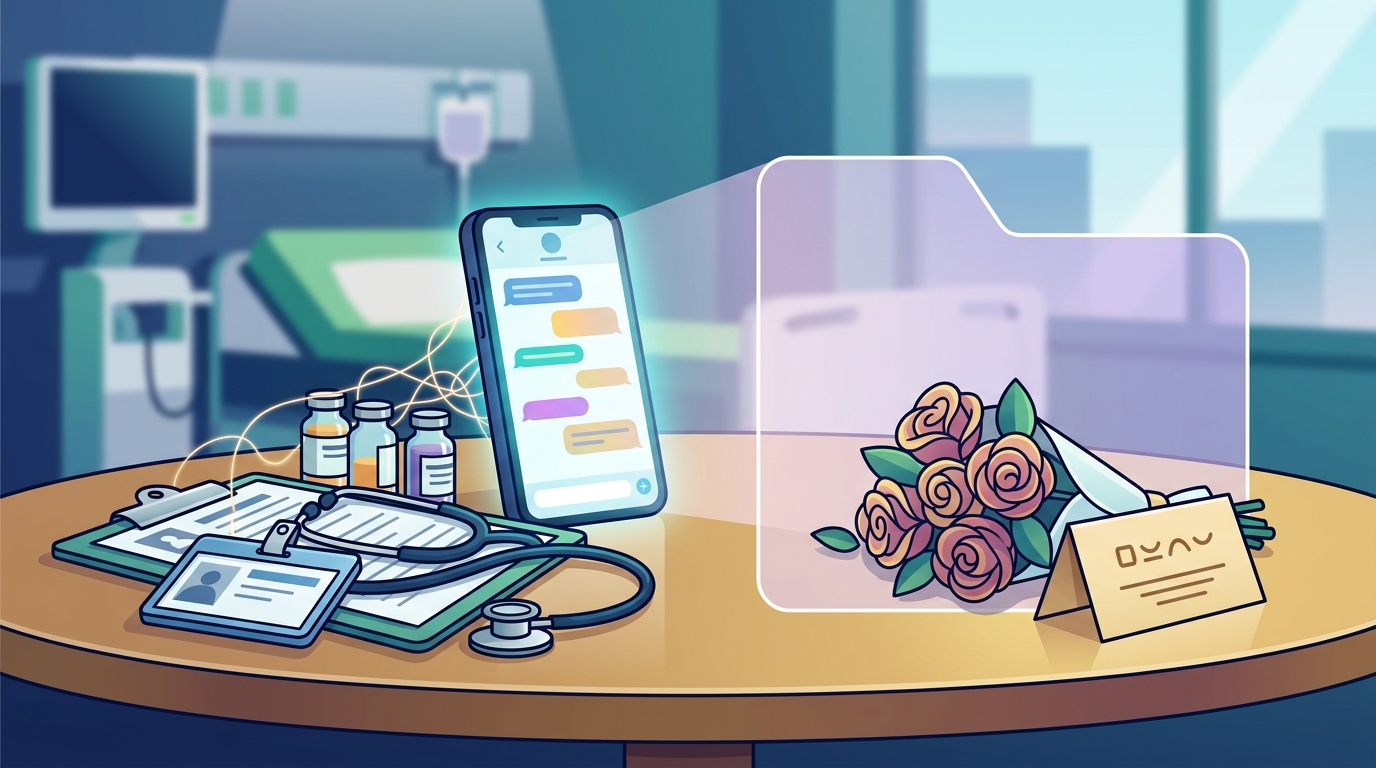
4. Moral Distress and Coping
5. Communication Gaps and Listening
Professional communication styles may not translate well to personal interactions. Healthcare professionals are trained to be efficient and direct, which can sometimes feel cold to partners. Active listening and emotional validation require different skills than clinical communication. Developing these interpersonal skills helps bridge the gap between work and home.
6. Social Isolation and Support
Isolation from non-medical social circles limits relationship support. Many healthcare workers find their social lives revolve around colleagues, reducing diverse social input. This isolation can make it harder to find partners who understand their lifestyle. Building connections outside the medical field provides valuable perspective and support.
7. Identity Conflict and Priorities
Professional identity can overshadow personal identity in relationships. When healthcare becomes the primary identity, personal interests and relationship needs may take a back seat. Balancing professional dedication with personal fulfillment requires intentional effort. Recognizing this conflict helps in prioritizing both career and relationship goals.
Choosing the Right Approach
Selecting strategies to manage these impacts depends on individual circumstances and relationship dynamics. Healthcare professionals should assess which challenges are most prominent in their lives. Tailoring approaches to specific issues ensures more effective management of dating and career balance.
Frequently Asked Questions
How does patient care affect emotional availability in dating?
Patient care can reduce emotional availability due to the high demands of empathy and stress. Healthcare professionals may find it challenging to connect emotionally with partners after long shifts. Developing coping mechanisms helps maintain emotional presence in relationships.
What role does schedule unpredictability play in relationship stability?
Schedule unpredictability significantly impacts relationship stability by making consistent time together difficult. Partners must adapt to irregular hours, which can strain communication and planning. Open dialogue about schedules helps mitigate these challenges.
How can healthcare professionals manage physical exhaustion in relationships?
Why is moral distress a concern for dating life?
How does professional communication style affect personal relationships?
Professional communication styles may feel too direct or clinical in personal contexts. Partners may misinterpret efficiency as lack of warmth. Developing softer communication skills helps improve personal interactions.
What strategies help overcome social isolation for healthcare workers?
Building social connections outside the medical field helps overcome isolation. Engaging in diverse social activities provides different perspectives and support. This balance enriches both personal and professional life.