

What are the risks and benefits of dating colleagues in medical settings?
Professional Boundaries and Ethical Obligations
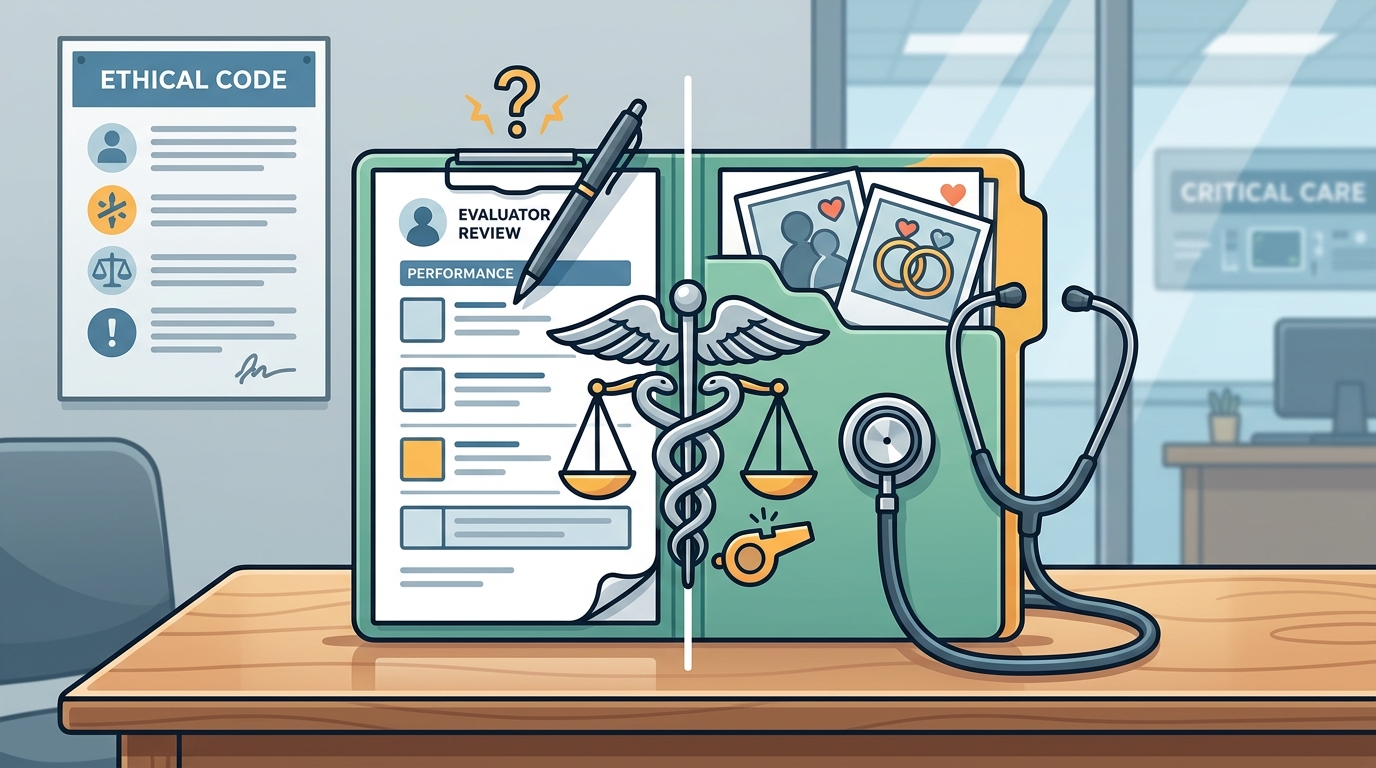
Medical professionals operate under strict ethical codes that prioritize patient welfare above all else. The American Medical Association emphasizes that the obligation to report incompetent or unethical conduct is recognized in both ethical standards and law, creating a complex dynamic when colleagues are romantically involved. When a romantic relationship exists, the objectivity required to evaluate a colleague's clinical performance may be compromised. This conflict of interest can lead to a failure to report necessary issues, ultimately putting patients at risk. Maintaining clear professional boundaries is essential to uphold the trust that the medical community holds with the public. For additional details, review the .
Workplace Dynamics and Team Cohesion
Introducing a romantic relationship into a clinical team can disrupt established social hierarchies and communication patterns. Colleagues may perceive favoritism or bias in shift scheduling, task assignment, or performance evaluations. This perception can erode team cohesion and create a hostile work environment for those who are not part of the relationship. In high-stress environments like emergency departments or intensive care units, where teamwork is critical for patient safety, any disruption to interpersonal dynamics can have tangible operational consequences. The stress of managing a personal relationship alongside professional responsibilities can also lead to burnout, affecting both partners' clinical performance. For additional details, review the Customer Experience.
Impact on Patient Care
When healthcare providers are distracted by personal conflicts with a colleague, their focus on patient care may diminish. Studies on workplace relationships suggest that interpersonal stress can reduce cognitive bandwidth, which is crucial for complex medical decision-making. This reduction in focus increases the likelihood of medical errors. Therefore, the potential benefit of a shared understanding of work stress is often outweighed by the risk of divided attention and compromised clinical judgment. For additional details, review the Frequently Asked Questions.
Shared Understanding and Lifestyle Compatibility
Emotional Support and Empathy
Alternative Pathways for Healthcare Professionals
Verification and Safety
One of the primary concerns for healthcare professionals using general dating apps is the authenticity of profiles. DownToDate+ addresses this by verifying the professional status of its users. This verification process helps ensure that users are connecting with genuine healthcare professionals, reducing the risk of fraud and increasing the likelihood of meaningful connections. The platform's focus on the medical community fosters a sense of trust and community among its users. For additional details, review the About.
Key Takeaways
- Dating direct colleagues in medical settings poses significant risks to professional integrity and patient safety.
- Ethical obligations to report incompetence may be compromised by romantic relationships with colleagues.
- Workplace relationships can disrupt team dynamics and create perceptions of bias.
- Shared understanding of medical lifestyle is a benefit that can be achieved without workplace entanglement.
- Maintaining clear boundaries is crucial for protecting both personal relationships and professional careers.
Frequently Asked Questions
Is it illegal to date a colleague in a medical setting?
It is not illegal to date a colleague in a medical setting, but it may violate institutional policies or professional ethical guidelines. Many hospitals and medical practices have policies that prohibit or restrict relationships between supervisors and subordinates to prevent conflicts of interest.
How can I protect my career if I date a colleague?
To protect your career, you should disclose the relationship to your supervisor or human resources department if required by your institution's policy. You should also maintain strict professional boundaries and be prepared to request a transfer or change in reporting structure if necessary. according to The impacts of
What are the benefits of using a dating app for healthcare professionals?
Can a romantic relationship affect patient care?
Yes, a romantic relationship with a colleague can affect patient care if it leads to divided attention, bias in decision-making, or a failure to report necessary issues. Maintaining professional objectivity is essential for ensuring high-quality patient care.
How do I handle a breakup with a colleague?
Are there any ethical guidelines for dating colleagues in medicine?
Yes, professional organizations like the American Medical Association provide ethical guidelines that emphasize the importance of maintaining objectivity and prioritizing patient welfare. These guidelines often advise against relationships that could create conflicts of interest or compromise professional judgment.