

Professional verification is the process of confirming a user's employment status through official documentation or institutional records. For healthcare workers, this step is critical because it filters out impostors and ensures safety. DownToDate+ addresses this by requiring proof of licensure or employment, creating a secure environment for medical staff. This guide explains the specific methods used to validate medical credentials. For additional details, review the .
Core Verification Methods
Dating platforms use a tiered approach to confirm professional status. The most common method involves uploading a government-issued ID paired with professional credentials. This initial step establishes a baseline of identity before deeper checks occur. Users must ensure their documents are legible and current to pass automated screening. For additional details, review the Customer Experience.
Document Upload Standards
Platforms typically accept PDFs or high-resolution images of licenses. The document must show the user's name, license number, and expiration date. Blurry images or expired documents are automatically rejected by the system. This reduces the need for manual review in many cases. For additional details, review the Frequently Asked Questions.
Automated Data Extraction
Optical Character Recognition (OCR) technology extracts key data points from uploaded files. The system compares this data against the user's profile information. Discrepancies trigger a manual review queue for human verification specialists. This hybrid model balances speed with accuracy. For additional details, review the About.
Licensure and Board Certification
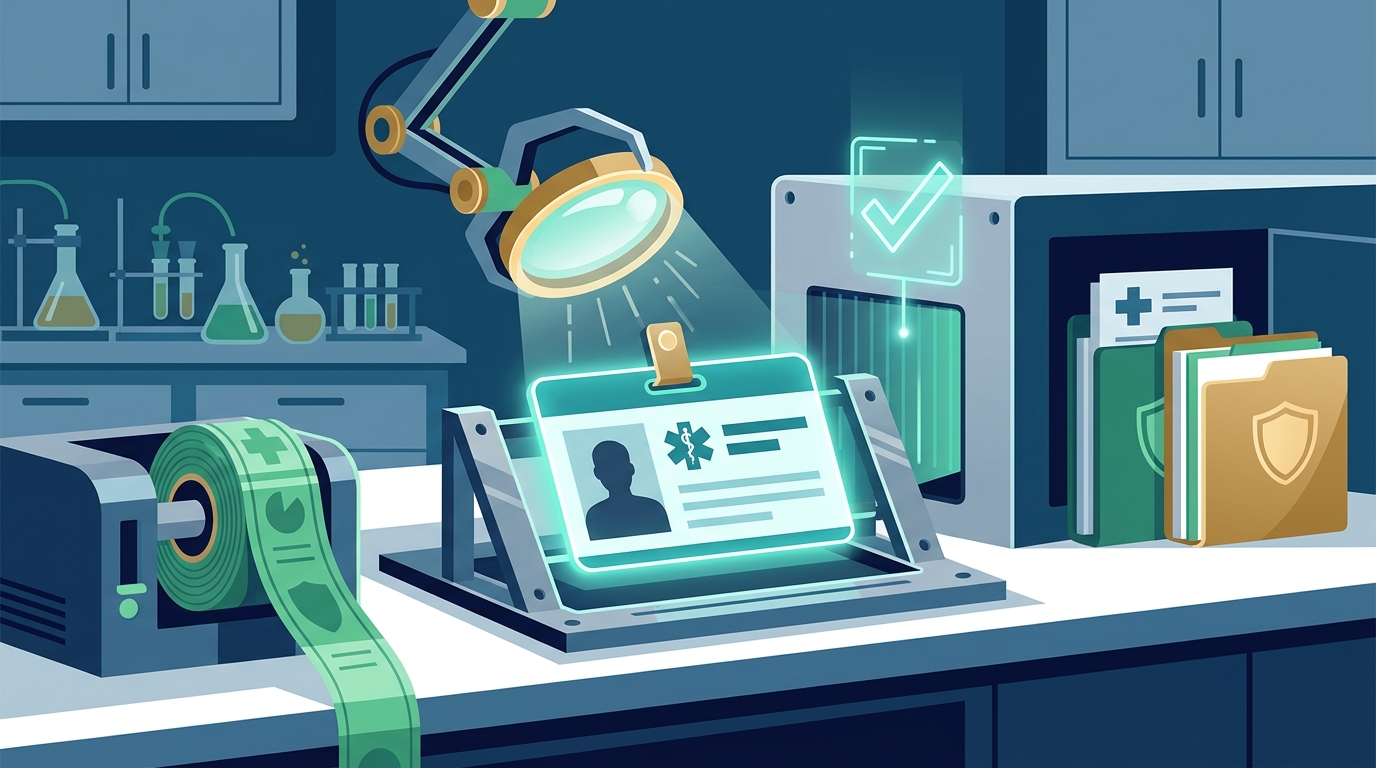
Medical licensure is a legal requirement that grants a professional the authority to practice medicine in a specific jurisdiction. Verification of this license is the gold standard for confirming a doctor's or nurse's status. Platforms cross-reference the license number with state medical board databases to ensure validity.
State Board Databases
Board Certification Distinction
Board certification is a voluntary credential that demonstrates advanced expertise in a medical specialty. While not always required for basic licensure, it is a strong indicator of professional commitment. Some platforms allow users to display board certification badges to enhance their profile. This distinction helps users identify specialists in specific fields.
Institutional Employment Records
Employment verification is the process of confirming that a user is currently working at a specific healthcare facility. This method is particularly useful for nurses and allied health professionals who may not hold independent licenses. It provides a direct link between the user and their workplace.
Workplace Email Verification
Many platforms require users to verify a work email address. The system sends a unique code to the institutional email domain. This confirms that the user has access to the facility's communication channels. It is a simple yet effective way to verify current employment.
Paystub and Badge Uploads
Some services accept recent paystubs or employee ID badges as proof of employment. These documents must show the user's name and the facility's logo. Privacy concerns are addressed by allowing users to redact sensitive financial information. This method is often used in conjunction with other verification steps.
Security and Privacy Implications
Professional verification is a security measure that protects both the platform and its users. It reduces the risk of catfishing and fraudulent profiles. However, it also raises important questions about data privacy and storage. Users should understand how their sensitive documents are handled.
Data Encryption and Storage
Reputable platforms encrypt uploaded documents using industry-standard protocols. This ensures that sensitive information is protected during transmission and storage. Data is typically deleted after verification is complete, unless required by law. Users should review the platform's privacy policy to understand data retention practices. according to Health Plan Required
Impersonation Risks
Despite rigorous checks, sophisticated impersonation attempts can still occur. Fraudsters may use stolen credentials or forged documents to bypass verification. Platforms mitigate this risk by monitoring for unusual activity patterns. Users should remain vigilant and report any suspicious behavior to the platform's support team.
Key Takeaways
- Professional verification confirms a user's employment status through official documentation.
- Licensure checks cross-reference license numbers with state medical board databases.
- Board certification is a voluntary credential that indicates advanced specialty expertise.
- Workplace email verification is a simple method to confirm current employment.
- Data encryption protects sensitive documents during the verification process.
- Users should review privacy policies to understand how their data is stored and used.
- DownToDate+ focuses on verified healthcare professionals to ensure a safe dating environment.
Frequently Asked Questions
What documents are required for healthcare verification?
Typically, a valid government-issued ID and a current professional license or employment proof are required. The specific documents may vary depending on the user's role and the platform's requirements.
How long does the verification process take?
Automated checks are often completed within minutes. Manual reviews may take 24 to 48 hours. Users are notified via email once their profile is verified.
Is my license number publicly visible on my profile?
No, license numbers are usually hidden from other users. Only the verification badge is displayed to indicate that the user has passed the check.
What happens if my license expires?
The platform will notify you to update your documents. Your profile may be flagged as unverified until you provide a renewed license.
Can I verify with a board certification instead of a license?
Board certification can supplement a license but usually cannot replace it. Most platforms require an active state license as the primary proof of professional status.
How does DownToDate+ handle data privacy?
Do I need to verify my employment if I am a retired doctor?
Retired professionals may need to provide proof of their last active license or a retirement letter from their institution. The specific requirements depend on the platform's guidelines.
Conclusion
Professional verification is a cornerstone of safe dating for healthcare professionals. It ensures that users are who they say they are, fostering a community built on trust. By understanding the methods behind these checks, you can navigate the platform with confidence. DownToDate+ is committed to providing a secure space for medical staff to connect. To begin your journey, visit DownToDate+ and join a community of verified professionals.