
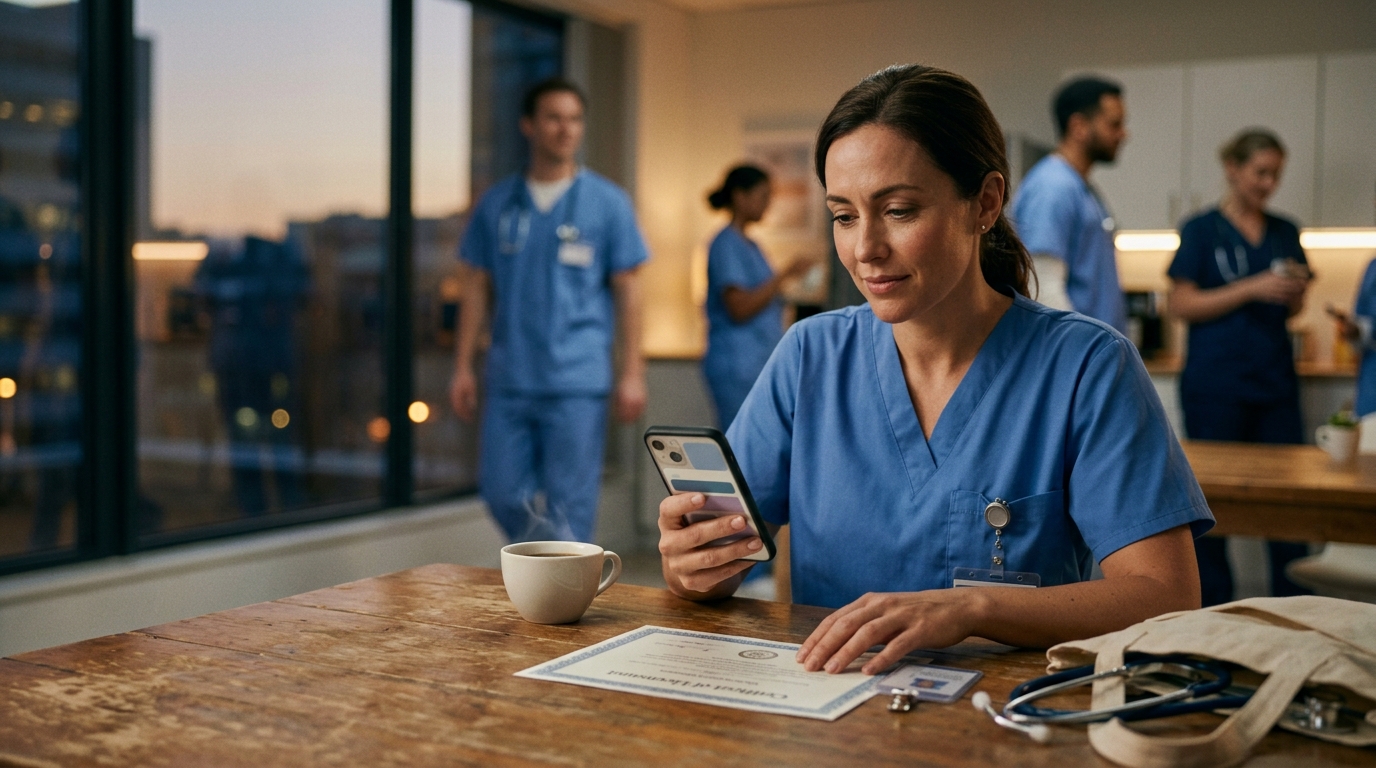
1. Credential Uploads
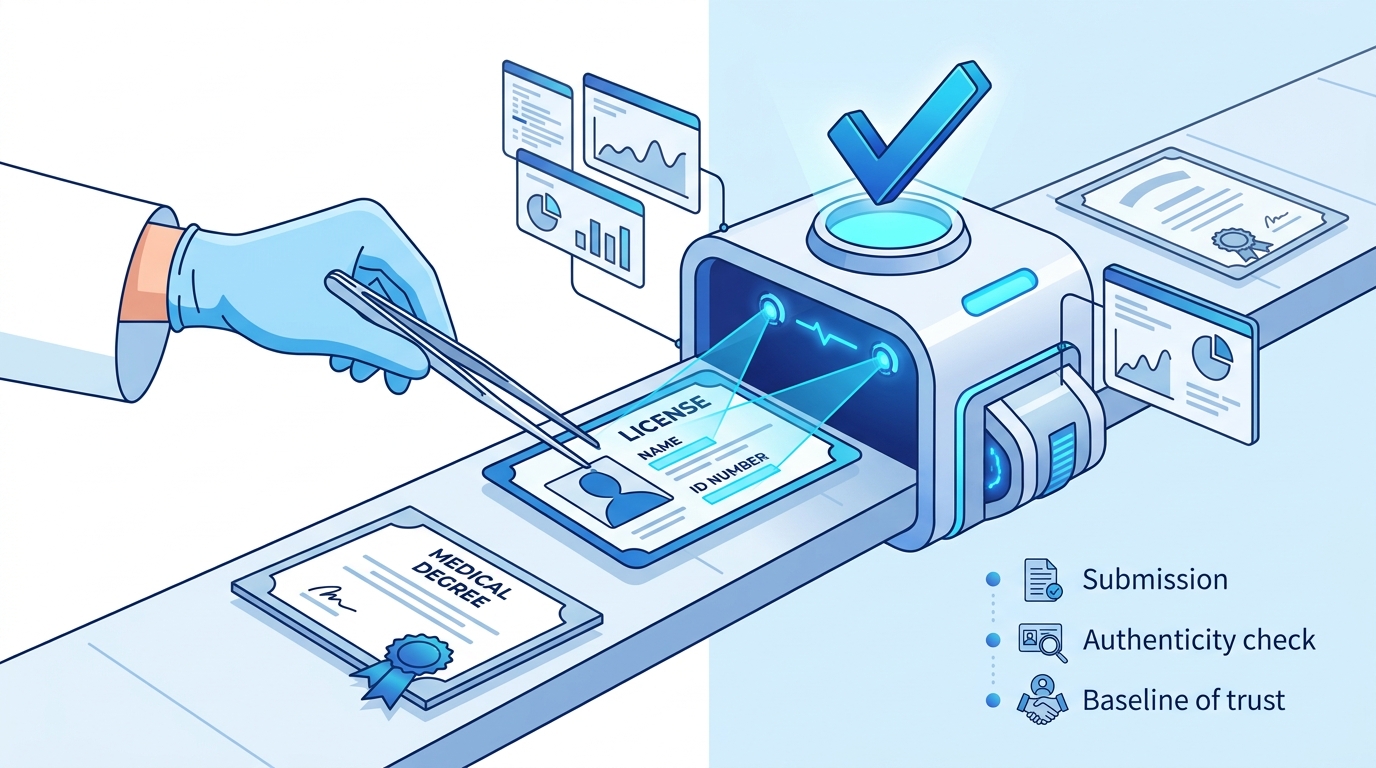
Direct document submission is the most common initial verification step. Users upload their medical license, nursing board certificate, or degree. The platform checks the document for authenticity and matches the name and ID number against the profile. This creates a baseline of trust before any interaction occurs. For additional details, review the Dating for Doctors amp.
2. License Database Checks
Automated cross-referencing with state medical boards confirms active status. The system queries official state databases to verify that the license is current and not revoked. This step ensures that the user is legally permitted to practice in their stated location. It is a critical check for maintaining the integrity of the professional community. For additional details, review the .
3. Employment Verification
Confirming current or recent employment adds a layer of professional context. Some platforms require a letter from a hospital or clinic confirming the user's role. This helps distinguish between active practitioners and those who may have left the field. It also helps match users based on their specific medical specialty and work environment. according to Barriers and facilitators For additional details, review the Customer Experience.
4. Photo and Video Authentication
Live video checks prevent the use of stolen or AI-generated images. Users may be asked to perform a specific gesture or hold up their ID during a short video call. This confirms that the person in the profile is the same person who owns the credentials. It is a standard security measure in high-stakes verification processes. For additional details, review the Frequently Asked Questions.
5. Professional Network Cross-Referencing
Linking to professional profiles like LinkedIn or medical directories adds social proof. The platform compares the user's professional history across multiple trusted sources. Inconsistencies between a dating profile and a professional network can trigger a manual review. This helps ensure that the user's stated career path is consistent and verifiable. For additional details, review the About.
6. Manual Review Teams
Human reviewers handle edge cases and complex verification scenarios. When automated systems flag a profile for review, a trained team examines the submitted documents. They look for subtle signs of forgery or mismatched information. This human element is essential for maintaining high accuracy in a specialized community.
7. Ongoing Behavioral Monitoring
Continuous monitoring ensures that verified users remain compliant over time. The platform tracks user activity and reports from other members. If a user's behavior deviates from community guidelines, their verification status may be re-evaluated. This dynamic approach helps maintain a safe and respectful environment for all members.
Frequently Asked Questions
How long does the verification process take?
Most automated checks are completed within minutes. Manual reviews may take 24 to 48 hours. The total time depends on the complexity of the submitted documents.
What happens if my license is in a different state?
The platform verifies the license in the state where it was issued. Users must specify their primary practice location. Some platforms may require additional documentation for multi-state licenses.
Is my medical license number public?
No, sensitive credential details are kept private. Only the verification status is visible to other users. The platform does not display full license numbers or personal identifiers.
Can I use a student license for verification?
Most platforms require an active, unrestricted license. Student or provisional licenses may not qualify for full verification. Check the specific platform's guidelines for details.
What if my verification is rejected?
You will receive an explanation of the issue. You can resubmit corrected documents or appeal the decision. The review team will re-evaluate your profile after corrections are made.