
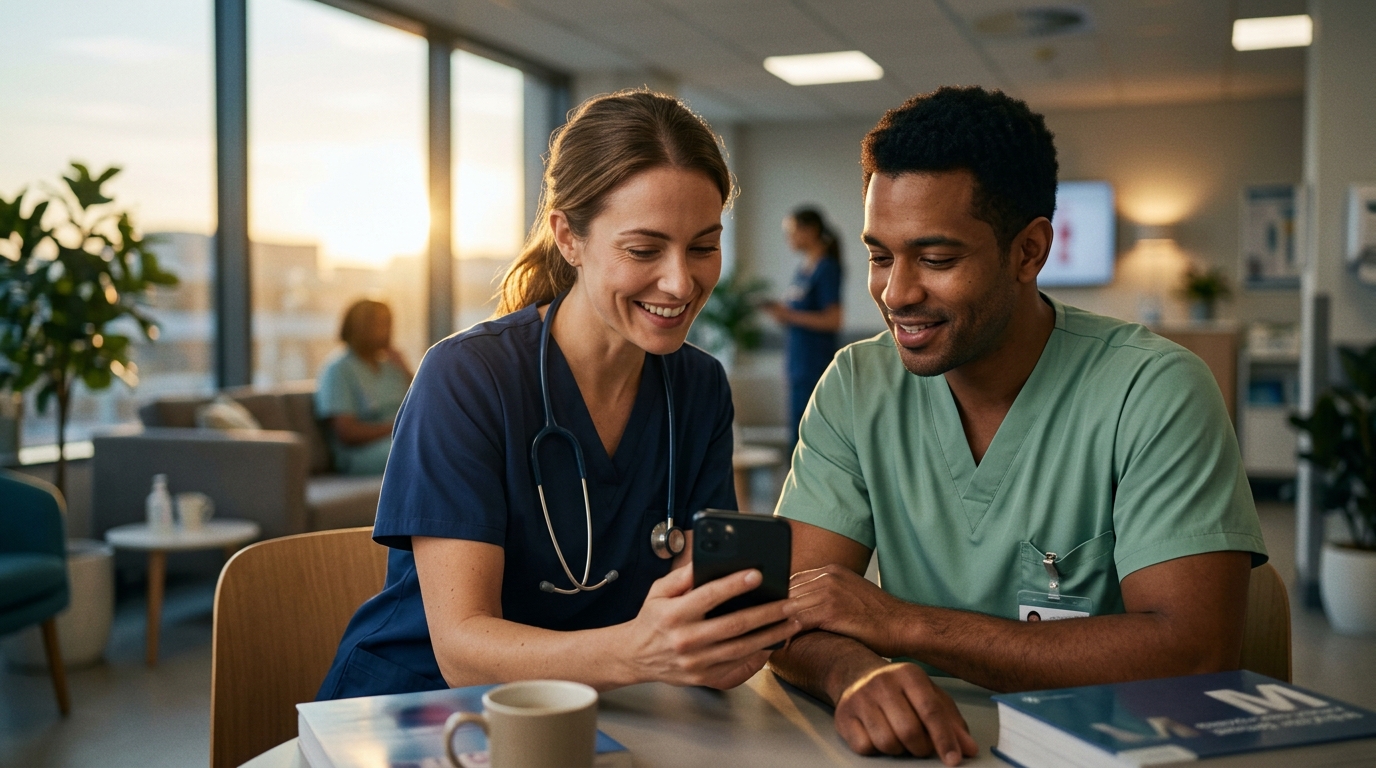
Professional verification is the process by which a dating platform confirms that a user is actually a licensed healthcare provider. This step is critical for specialized platforms like DownToDate+, which connects verified medical professionals. By implementing rigorous checks, these apps reduce the risk of impersonation and build a safer community for doctors and nurses.
1. License Number and State Board Lookup
Direct database matching is the most robust method for confirming active medical status. Many platforms require users to input their state medical license number. The system then cross-references this number against the official state medical board database. This ensures the license is active, not expired, and matches the user's name and specialty.
2. Institutional Email Address Verification
Requiring a work email from a recognized hospital or university domain adds a layer of institutional proof. Users must provide an email address ending in a verified medical institution domain, such as .edu or a specific hospital .org. The platform sends a unique verification code to this address. This confirms the user is currently employed by or affiliated with that specific healthcare facility.
3. Digital Badge and Credential Upload
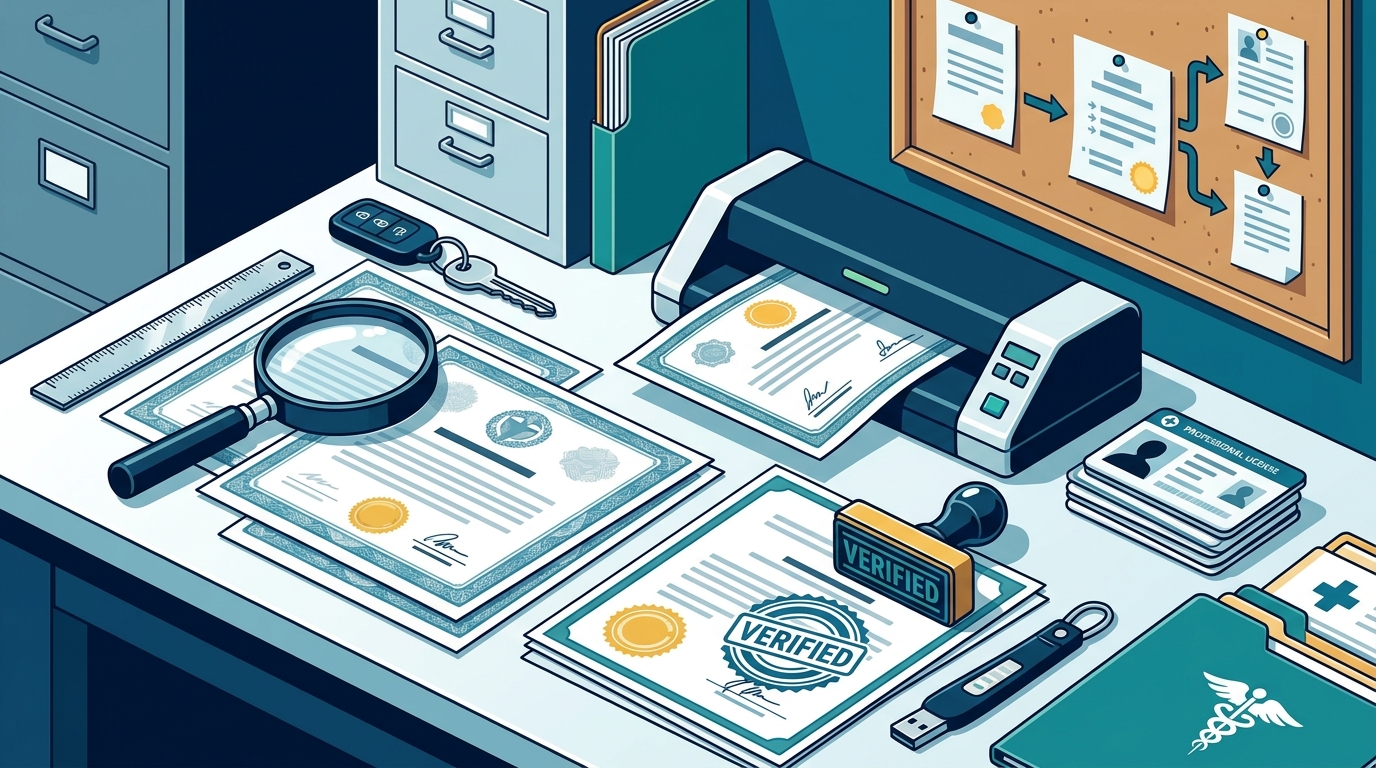
Uploading a photo of a physical ID badge or credential card provides visual evidence of employment. Users are asked to upload a clear image of their hospital ID or medical license card. The platform may use image recognition software to detect tampering or blurring. This visual check complements digital database lookups by providing a tangible artifact of the user's professional identity.
4. Manual Review by Human Verifiers
Human oversight catches edge cases that automated systems might miss. For complex cases or new specialties, a human agent may review the submitted documents. This agent checks for consistency between the license, the email, and the profile details. This manual step is often used by niche platforms to ensure high accuracy for their specific community.
5. Third-Party Identity Verification Services
Integrating with established identity verification providers adds an external layer of trust. Platforms may use services that verify government-issued IDs and facial recognition. This ensures the person creating the account is the same person who holds the medical license. It prevents the use of stolen credentials by someone else.
6. Professional Network Cross-Referencing
Checking professional profiles on platforms like LinkedIn or medical directories adds social proof. Some apps allow users to link their professional profiles. The platform verifies that the job title and employer match the medical license data. This creates a consistent professional footprint across multiple digital platforms.
7. Community Reporting and Peer Verification
Allowing other verified users to report suspicious profiles helps maintain community integrity. If a user claims to be a doctor but behaves inconsistently, other verified professionals can flag the profile. The platform then investigates the report. This peer-to-peer monitoring is a powerful tool for keeping the community safe and authentic.
Choosing the Right Verification Method
Frequently Asked Questions
Do all dating apps verify medical licenses?
No, general dating apps rarely verify specific professional licenses. Specialized platforms like DownToDate+ are designed specifically to verify healthcare credentials, making them a safer choice for doctors and nurses.
Is it safe to share my medical license number online?
Reputable platforms use secure, encrypted connections to handle sensitive data. They typically only use the number to verify status and do not sell or share this information. Always check the platform's privacy policy before submitting sensitive credentials.
What happens if my license is in a different state?
Can I use a personal email for verification?
Generally, no. Professional verification usually requires an institutional email address from your employer or educational institution. This ensures that the account is tied to your professional identity rather than a personal one.
How long does the verification process take?
Automated checks like license lookups and email verification are often instant. Manual reviews may take a few business days. The specific timeframe depends on the platform's verification workflow and the complexity of your credentials.
Why is verification important for healthcare professionals?
Verification builds trust and safety within the community. It ensures that you are dating someone who truly understands the lifestyle, stress, and demands of a medical career, leading to more meaningful and compatible connections.